A Dog Nobody Could Get Close To
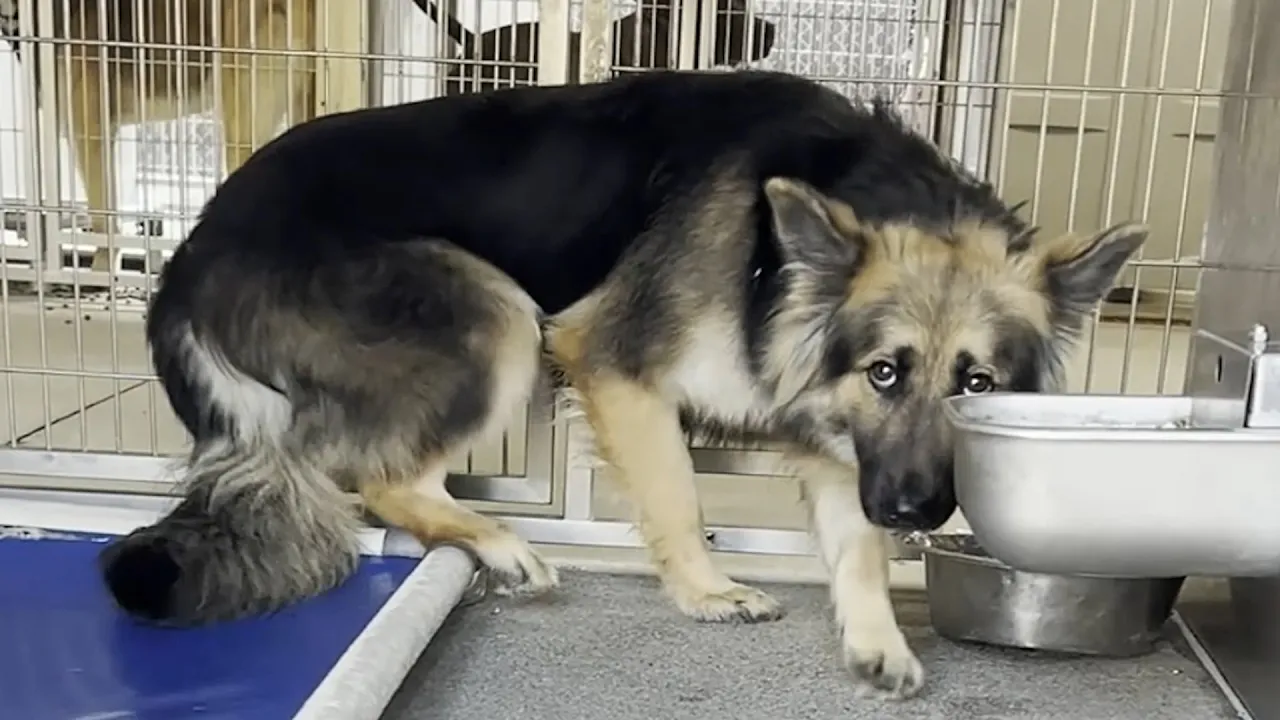
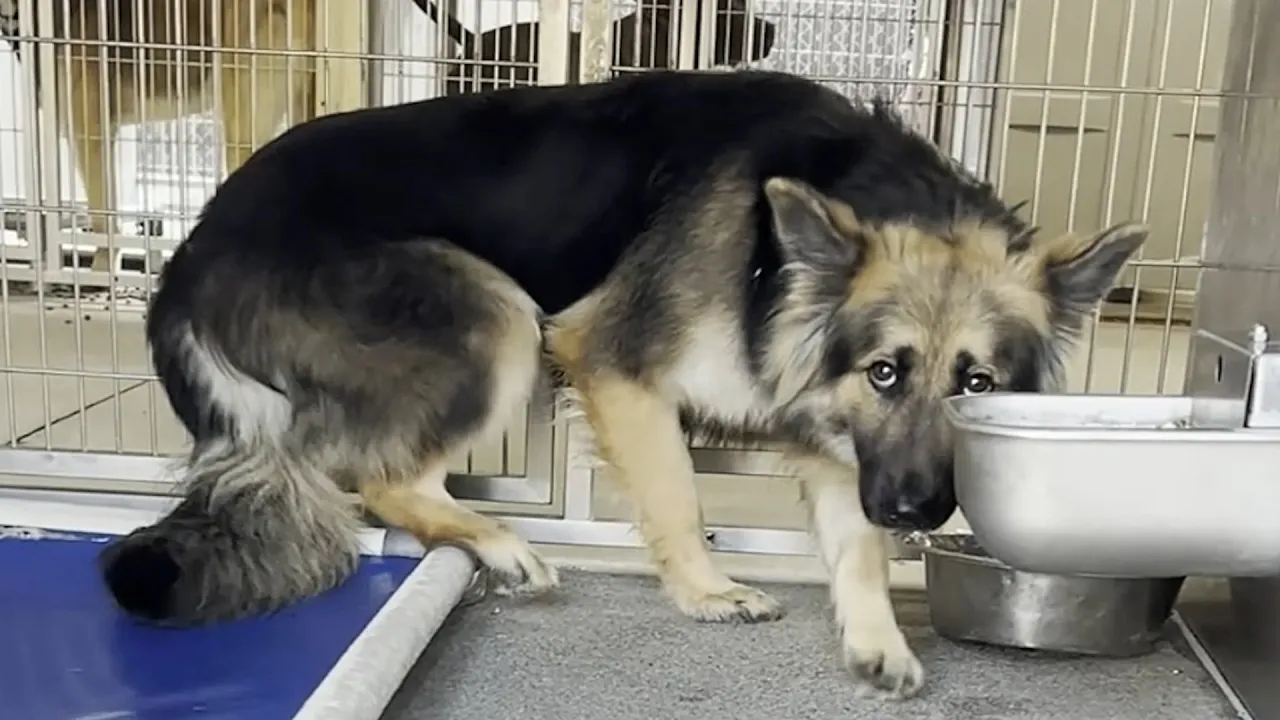
When volunteers at the animal shelter first approached her kennel, she pressed herself into the farthest corner she could find. Her body trembled. Her eyes were wide with panic. She wasn’t aggressive — she was simply terrified, a dog so broken by her past that even the gentlest human presence sent her into a spiral of fear.
Staff members had tried. Volunteers had tried. But every time someone reached a hand toward the kennel bars, she flinched as though bracing for something terrible. For a dog like this, the shelter environment itself can be overwhelming — the noise, the unfamiliar smells, the constant stream of strangers. What she needed wasn’t just food and water. She needed someone willing to take the time to simply be there.
That someone finally came.
The Power of Showing Up
The founder of the Instagram account @furrytail.endings — a passionate animal advocate dedicated to sharing the stories of shelter dogs — visited the shelter that day with no grand plan. The goal was simple: just stop by and say hi. No pressure. No agenda. Just presence.
And sometimes, that is enough.
She didn’t try to rush the process. She didn’t force contact or overwhelm the frightened dog with too much too soon. She simply stayed close, spoke softly, and let the dog set the pace. This approach — known in animal behavior circles as low-stress handling — is one of the most effective ways to build trust with a traumatized animal.
Slowly, almost imperceptibly at first, something shifted. The dog’s rigid posture softened. Her breathing steadied. She stopped pressing herself into the corner and began, cautiously, to turn her head toward the visitor. Not much. But enough.
From Terrified to a “Love Bug”
What happened next is the kind of moment that makes animal rescue workers keep showing up every single day, no matter how emotionally exhausting the work becomes.
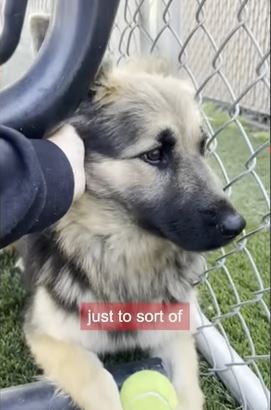
The dog — who had been described by shelter staff as unapproachable — began to inch closer. Then closer still. And then, in a moment that has now been watched over 2.2 million times on YouTube, she leaned in. Not away, but in. She allowed herself to be touched. She accepted affection. And within minutes, the trembling, terrified dog had transformed into what can only be described as a complete love bug — pressing her head into open hands, soaking up every ounce of warmth being offered to her.
It was as if she had been waiting her whole life for someone to prove that humans could be trusted.
The video, shared by GeoBeats Animals under the title “Terrified dog’s heartwarming response to love,” became an overnight sensation — not because it was dramatic or over-produced, but because it was real. Raw, unscripted, and deeply human (and canine).
Understanding Fear-Based Behavior in Shelter Dogs
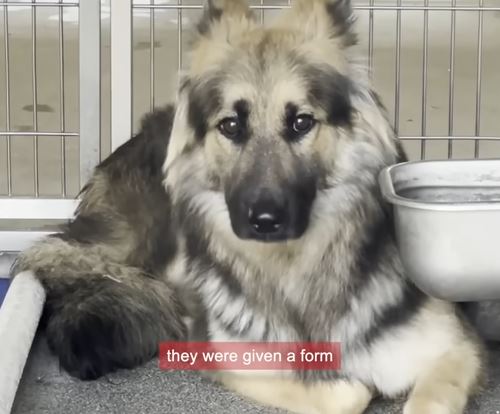
Stories like this one aren’t rare in the world of animal rescue — but they are profoundly important. Millions of dogs enter shelters every year carrying invisible wounds. Fear-based behavior is one of the most common and most misunderstood challenges that shelter animals face.
Dogs who exhibit fear responses — cowering, trembling, hiding, refusing eye contact — are often labeled as “difficult,” “antisocial,” or even “unadoptable.” This label can become a death sentence in overcrowded shelters where space is limited and resources are stretched thin. But behavioral experts consistently emphasize that fear is not a personality trait. It is a response to experience. And experiences can change.
The science of trauma and recovery in dogs mirrors, in many ways, what we know about humans. Adverse early experiences — neglect, abuse, abandonment, lack of socialization — can fundamentally alter how a dog’s nervous system responds to the world. But the brain retains its capacity for healing. With patience, consistency, and positive reinforcement, even the most fearful dogs can learn that the world is not always a dangerous place.
The key word is patience.
What Rescuers Know That the Rest of Us Don’t
There is a quiet wisdom that experienced animal rescuers carry with them. They know that a dog who won’t look at you on Monday might be nudging your hand for pets by Friday. They know that every breakthrough, no matter how small, is worth celebrating. They know that the most important thing you can do for a traumatized animal is simply not give up.
@furrytail.endings has built an entire platform around this philosophy — documenting the journeys of shelter dogs who are overlooked, misunderstood, or running out of time. Each story is a reminder that behind every scared, shut-down animal is a personality waiting to emerge. A dog that leans. A dog that plays. A dog that, given half a chance, turns out to be the biggest love bug in the room.
What makes these stories go viral isn’t just the “aww” factor, though that’s certainly present. It’s the recognition. Viewers see something of themselves in these animals — the walls we build, the fear of trusting again after being hurt, the extraordinary relief of finally feeling safe.
The Rescue: A New Beginning
After the video spread across social media, the outpouring of support for the terrified shelter dog was immediate and overwhelming. Messages poured in from across the country — and then the world. People who had never met this dog, who lived thousands of miles away, felt personally invested in her future.
That’s the power of authentic storytelling. When a story is true, when it captures a genuine moment of connection, it transcends the screen and touches something universal.
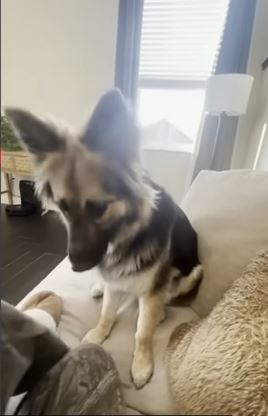
The dog was eventually pulled from the shelter by a rescue organization and placed in a foster home — a quiet house with patient humans who understood that she would need time to decompress. There were no dramatic demands placed on her. No expectations. Just a warm bed, consistent routines, and people who showed up every single day to prove that she was safe.
Within weeks, foster updates began to tell a different story. The dog who had pressed herself into the corner of her kennel was now padding softly through a sunlit living room, tail beginning its slow, cautious wag. She was learning to play. She was sleeping through the night. She was, in the truest sense of the word, healing.
And when her forever family came to meet her for the first time, she walked right up to them and pressed her head into waiting hands — just as she had done that day in the shelter, when a stranger stopped by just to say hi.
Why Stories Like This Matter
In a world that often moves too fast and feels too heavy, the story of a terrified shelter dog learning to trust again carries a message we all need to hear. Healing is not linear. Trust is not automatic. But love — patient, consistent, unconditional love — has the power to reach even the most guarded heart.
If you are considering adding a dog to your family, please consider adopting from your local shelter. Look twice at the dog in the corner. Sit with her for a while. Let her set the pace. You might be surprised at what happens when someone simply takes the time to show up and say hi.
Because sometimes, that is all it takes to change everything.